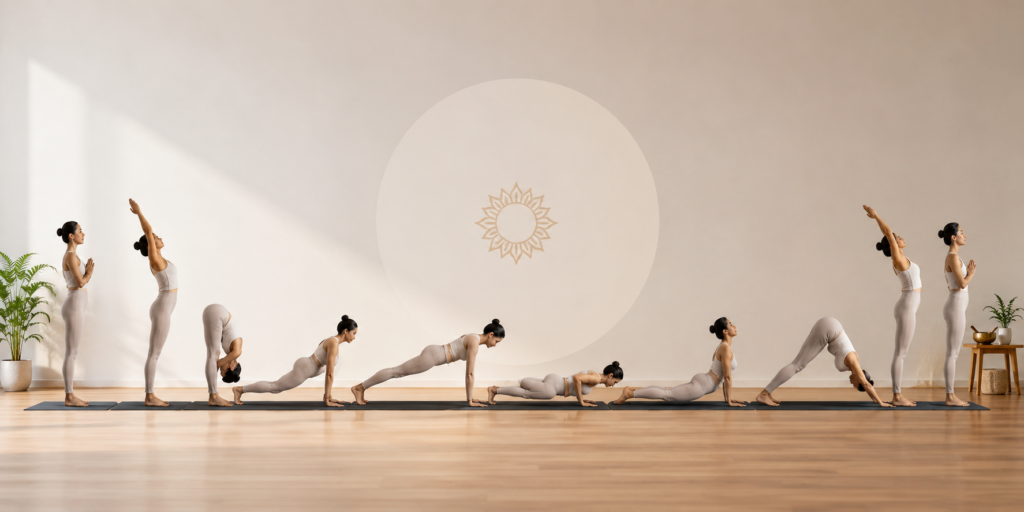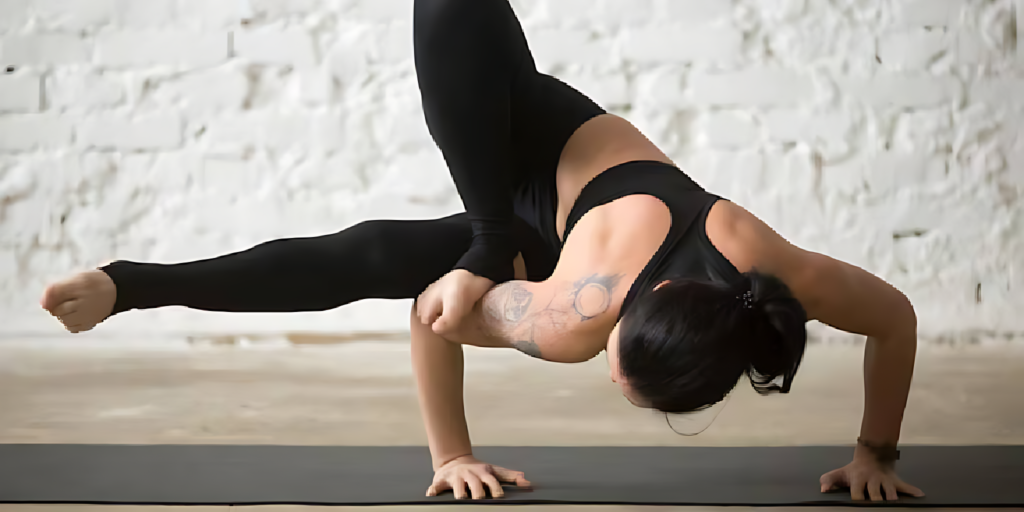

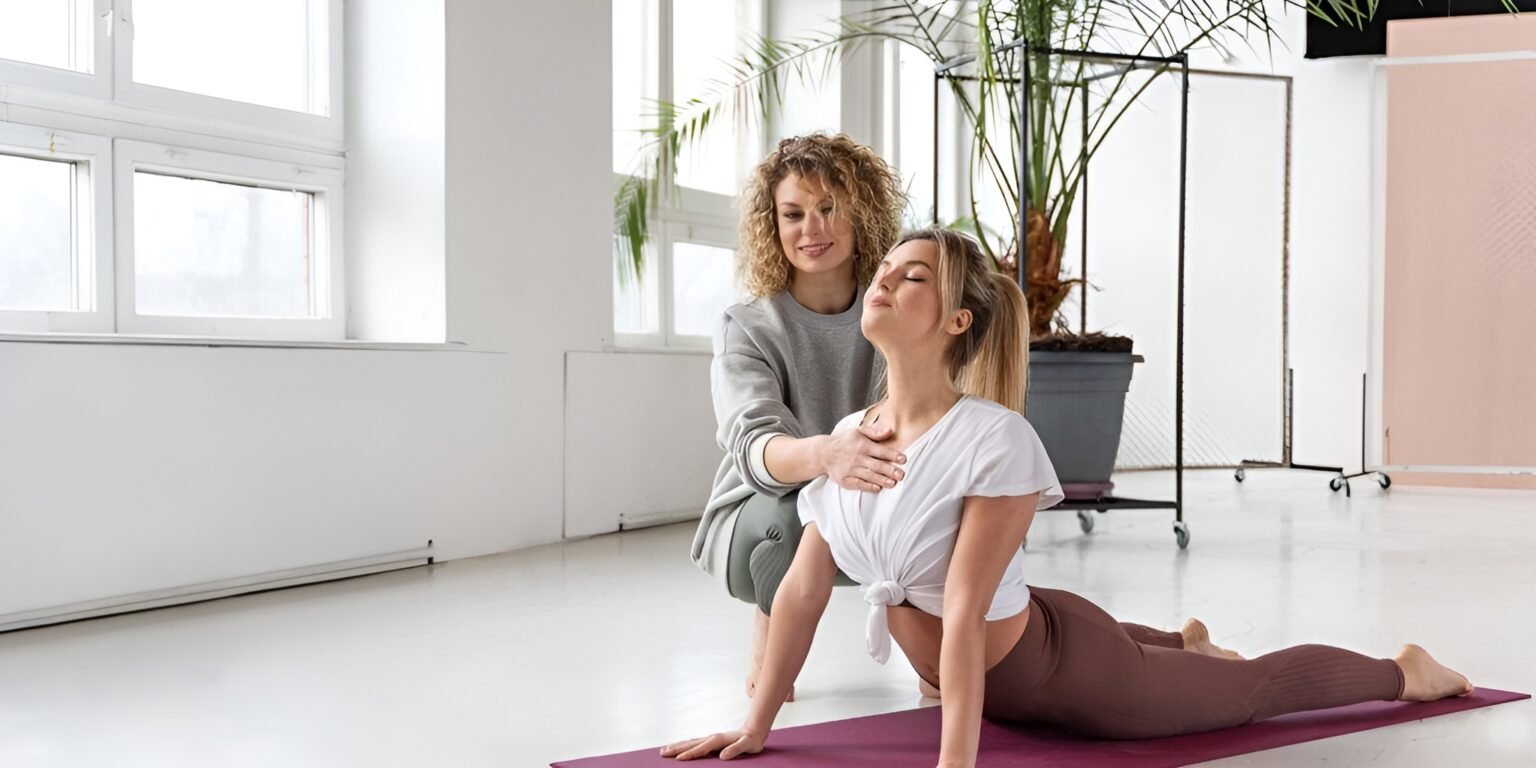
Yoga is an all-inclusive co-ordination of mind-body practices to enhance mental and physical health of humans. Educators treat yoga as a gainful wellness programs for their pupils. The main focus of yoga teaching schools is to realize the educational objectives. To accomplish these goals, numerous activities and programs are organized. These activities are required for the conducive climate in yoga class. The smooth functioning of yoga teaching depends on the maintenance of discipline and coordination among teachers, principals, pupils and other staffs. Discipline is basically management and trained condition with certain rules and regulations.
The Importance of Self-Discipline in Yoga and Daily Life

It is sort of self-control reflected in public activities. It also implies good understanding of right conduct, the formation of desirable habits and attitudes and adhere to standards set by institution. Pupils must obey the teachers respectfully and teachers also respond in similar ways. One of the major objective of yoga is to achieve self-discipline and self-awareness. In the Patanjali Yogasutra, self-discipline is known as 'Tapas'. It is the inclination to do the work and the desire to learn. Self-discipline can be useful to any activity that is being more creative at work, improving interpersonal relationships, following a healthy diet, learning a new hobby, and controlling emotions. In yoga, self-discipline is the promise to the practice.
It is universal fact that Mental and physical robustness are essential to meet the demands of life. Each yoga class, with its puzzling postures and passionate environment, offers an exceptional opportunity to reinforce key aspects of the mind. Therefore self-control is highly important to conduct yoga classes. Additionally, in maintaining discipline, it is necessary to have control over external influences such as shrewd politics of society, social tension, and mutual struggle. These should be prevented from poise atmosphere of school.
Disciplines of yoga teachers
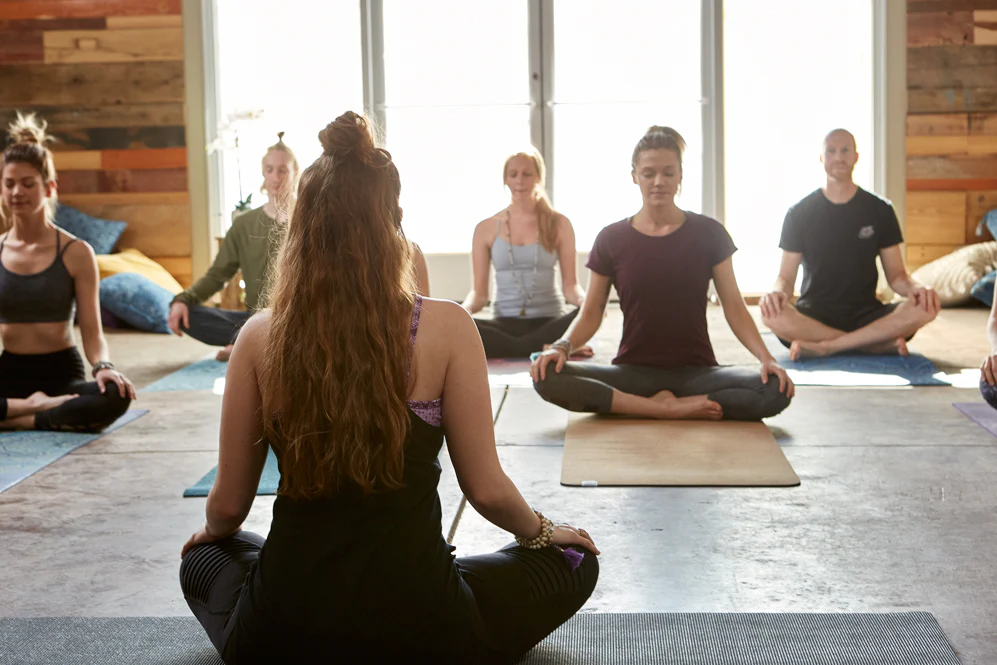
Teachers have great responsibilities to be disciplined in yoga teaching. In the Bhagavad Gita, it is mentioned that teaching yoga is an act of service, and it’s not about the ‘fruits’ of our actions, but the intention and action itself that matters. As yoga teachers, it is accountability to set best persona of the yoga lifestyle to students. They have a responsibility to behave with values (Yamas and Niyamas). Yamas is regarding relationship/behaviour with others) such as Non‐harming (Ahimsa); Truthfulness (Satya); Non‐stealing (Asteya); Moderation of the senses (Brahmacarya); and Non‐covetousness (Aparigraha). Niyamas is linked with daily routine/activities. It is about their own actions, dialogues and thoughts and physical appearance such as purity/ hygiene (Saucha), satisfaction (Santosha), intense desire to study, practice, self‐discipline (Tapas), self‐Study, mindfulness, studying yoga and the scriptures (Svadhyaya), devotion, willingness to serve (Ishvara Pranidhana).
When teachers impart a yoga practice, it means being there for a whole group of people, distribution of knowledge, supervising them, assisting pupils, gaining their trust, and finally helping them help themselves. Teaching yoga is a noble job and highly satisfying. Teachers often develop healthy relations with students. With a huge amount of responsibility for teaching pupils about yoga asanas, yoga teachers must develop self-control. They make time for their practice.
1. According to Davannayoga, there are some guidelines to retain the traditional legacy of Yoga and maintain discipline while Yoga teaching and practicing in today’s society.
2. Yoga Teachers comprehend and appreciate that teaching Yoga is an honourable endeavour that supports them with a long line of honourable teachers.
3. Yoga Teachers are dedicated to practicing Yoga as a way of life.
4. Yoga Teachers must retain flawless standards of professional competence and honesty.
5. Yoga Teachers must impart a thorough study and practice of Yoga. One of the major disciplinary act of yoga teacher is to avoid substance abuse.
6. Yoga Teachers especially espouse the policy of honesty while interacting with students and others, including accurately representing their training and experience pertinent to their teaching of Yoga.
7. Yoga Teachers must be dedicated to promoting the physical, emotional, mental, and spiritual well‐being of their pupils.
8. Yoga Teachers should not offer any professional medical advice to their pupils unless they have specially trained in that stream.
9. Yoga Teachers must be disciplined to instruct all students irrespective of race, nationality, gender, sexual orientation, and social or financial status.
10. Yoga Teachers must also teach yoga to students with physical disabilities.
11. It is a responsibility of Yoga teachers to treat their students with respect and never use physical force. They must not enforce their opinion on students.
12. Another major disciplinary practice of yoga Teachers is to avoid any form of sexual harassment of pupils. They must develop trust of students and encourage them to find greater inner freedom.
13. Yoga teachers recognize the significance of the proper context for teaching and agree to avoid teaching in a casual way.
14. It is good if yoga teachers maintain clear boundaries between student and teacher for serving their role to students. Additionally, yoga teachers need to create and sustain both a holy and harmless environment for all students.
As a well-disciplined Yoga teachers, they must follow all civil laws and other legal codes of behaviour in their state and country. They have to maintain basic protocol while interacting with students and other staff such as saying “please” and using people’s names when speaking with them. Yoga teachers must be humble in yoga class. They must speak in positive manner about teaching traditions. Yoga teachers are advised to be vegetarian. This follows the first limb of the eight limbs of yoga which is Ahimsa (non‐harming). Yoga teachers are exhilarated to seek one form of Seva (selfless service) or Karma Yoga (Karma yoga focuses on the adherence to duty (dharma) while remaining detached from the reward.
Disciplines of yoga Students

Besides yoga teachers, students must follow rules and regulation in yoga practices. In conventional teachings of yoga practice, it depends on the level of self-discipline and self-control of the yoga scholar. Whether the yoga student can adjust freely in the society, or the yoga student needs solitary and restriction about who the student mixes with. Sometimes yoga student is easily being unfocused, troubled, affected or influenced by other people’s philosophy and behaviour. There are some important compliances that can benefit to quiet the mind for realization of the truth to transcend names and forms, especially for those who are not strong self-disciplined and self-controlled. If the yoga student maintains strong self-discipline and self-control, and is not easily being diverted nor influenced by anyone that the student mixes with, and is not being affected nor determined by the worldly actions that the student involves with, then this student can accommodate well with anyone and engage in any worldly activities, but these activities will not affect nor divert the student’s spiritual practice.
Both teachers and students must maintain uniformity with yoga practice. They need to take good sleep. A busy schedule of evening classes and an early morning practice is strenuous to the body and mind, so it is advised to develop a good routine. If both teachers and students are tired in the daytime, then they can try Yoga Nidra for ten to twenty minutes. In yoga classes, it is advised to avoid using electronic gadgets like laptop, mobile phone, or watching TV for a long time during night, because it greatly effects on sleep pattern.
The Importance of Compassion and Discipline in Yoga Practice
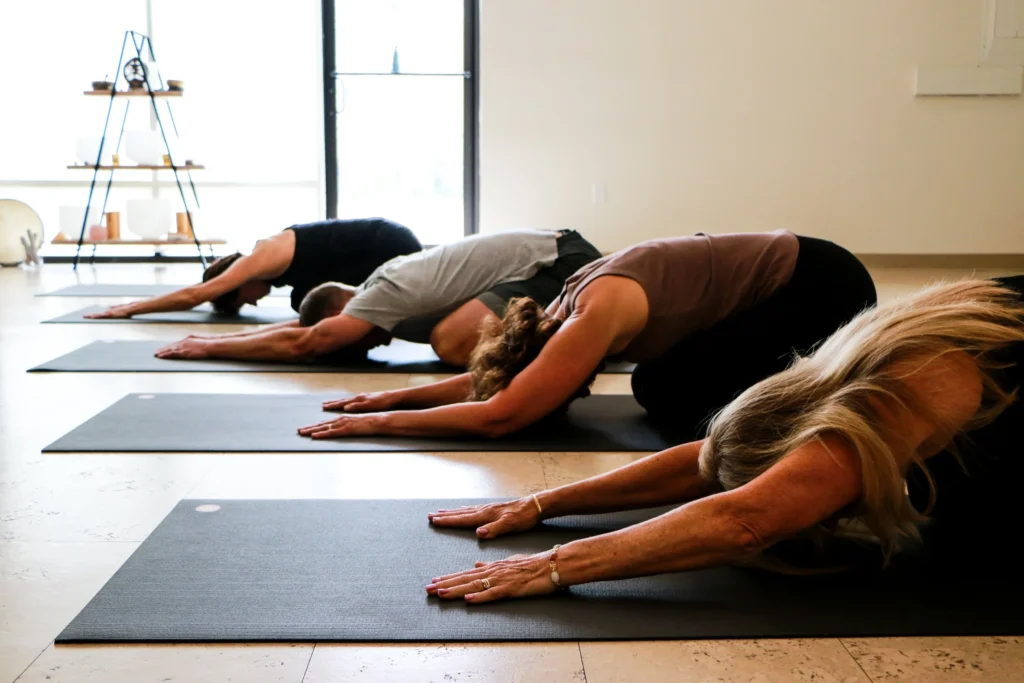
It is good for teachers and students to be sympathetic towards each other. There are certain degree of restrictions and limitations, so that mind will not be distracted nor influenced by worldly passionate influences that will jerk them away from practice. To be able to help the world to be a better place, it requires understanding and compassion, dispassion and right discrimination, non-attachment, and selflessness/ egolessness. Maintaining self-discipline in food is a major challenge. Being disciplined around food does not mean to starve or taking simple foods. Both teachers and students must eat delicious foods from array of natural sources.
It is specified in regulations of yoga that pupils must be disciplined in their practice. When starting a practice, stop for a moment and take a deep breath to help find stillness. This can help them remember how good it feels to step out of everyday life and bring peace to the mind and body. Setting a specific and non-negotiable time each day for an asana practice can be supportive. There is also a need to discipline mind.
Read more: Discover the various uses of props for safety and protection of joints
In concluding stage, it is appraised that to maintain discipline in yoga, it is imperative for sincere yoga teacher to adopt the right approach, understanding, and practice. Yoga teachers must be humble to students because with teaching in the class, they must develop strategy to manage themselves. It can be realized that yoga teachers have responsibility towards their scholars and can be expected to prove the abilities as a well‐trained yoga teacher. As practitioners and representatives of Yoga, the conduct of Yoga teachers is anticipated to reveal the high moral values (the Yamas and Niyamas) adopted in Yoga.