
Shat-Kriya are the techniques used to create harmony between the major pranic flows, Ida and Pingala and also to cleanse the internal organs and maintain the equilibrium between the triodashas- Vata, Pitta and Kapha. Yogic Shat-Shat-kriya remove the waste materials from our internal organs which our body cannot expel normally and which may lead to diseases if not expelled, as well causes an imbalance in the body not just physically but in all other dimensions. According to hatha yoga pradipika, there are six cleansing techniques called shat- [means six] Shat-kriya. The six purification processes are Kapalabhati, Trataka, Neti, Dhouti, Nauli and Vasti.
KAPALABHATI

Kapala means skull and bhati means to shine in Sanskrit. This is an exercise for stimulating the brain cells and cleanses the skull. Kapalabhati is a form of breathing technique for purifying the frontal region of the brain. Eliminates a major portion of carbon-di-oxide from the body and increases the intake and absorption of oxygen. When brain is provided with adequate oxygen supply, there will be proper functioning of the brain. Shat-kriya The individual can be free of stress, thinking, decision making as well as reacting to the circumstances will be improved. This also relaxes the facial muscles and nerves, prevents aging process. Helps in treating asthma, bronchitis, increases the lung capacity and makes it strong.
TRATAKA

Eye exercises in which helps the mind to focus and maintain concentration on any object without winking. This is of two types- jatra and jyoti[light] trataka. While practicing this, the eyes should be relaxed as it improves the eyesight. Here the individual will have to constantly focus on the light [most of the times from a candle] placed in front of him in a relaxed state and sitting posture should be straight. This improves the individual to focus on his aim and keeps him oriented towards his goal and also improves the will power. Shat-kriya Good for children and students as it drastically improves the memory power, reduces the postural problems. Awakens the ajna chakra.
NETI
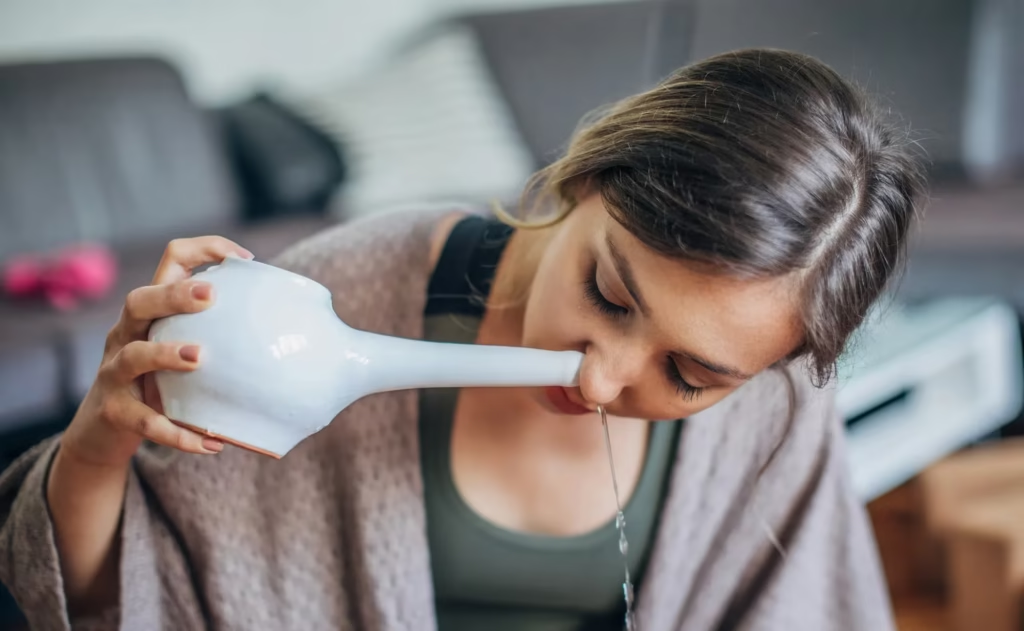
The parts of upper respiratory tract is purified here such as nostrils. These nostrils have to be maintained clean for proper breathing to take place. There are again four types of neti- jala[water], sutra[thread], dugdha[milk] and ghrita[ghee]. This makes the individual to maintain his resistance against foreign agents such as milk, cotton, rubber, water and ghee so that hypersensitivity will be reduced. Ability of the individual to fight against any allergic reactions will be increased. Shat-kriya Reduces cold episodes, sinusitis, migraine problems, depression, tension.
DHOUTI
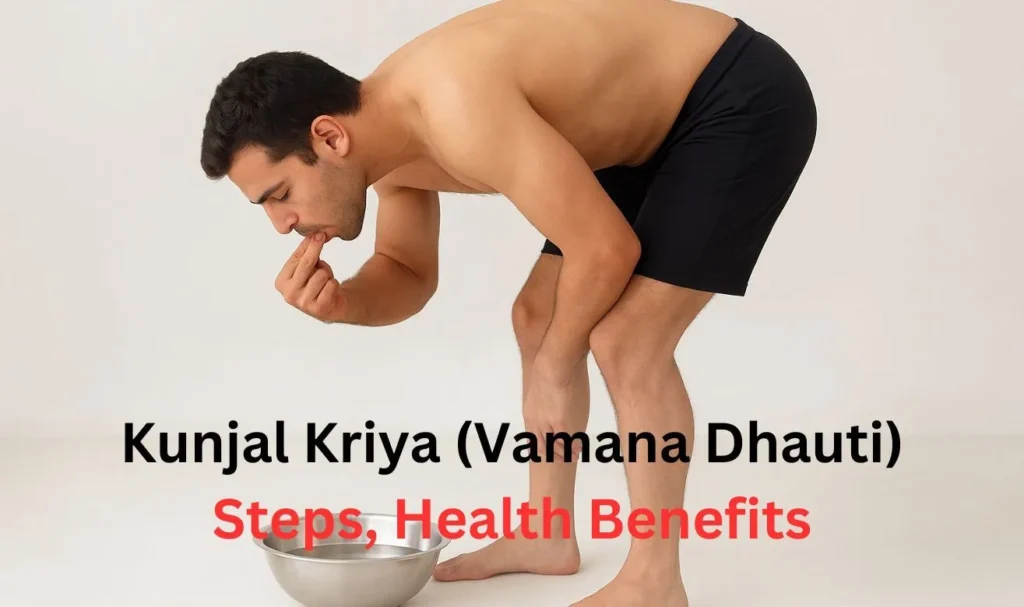
This is basically cleaning the intestinal tracts upto the stomach. There are types of dhouti- jala/vamana which means cleansing the stomach using water, use of lukewarm salt water inducing the patient to vomit. Vastra dhouti- cloth will be used to cleanse the stomach whereas in danda dhouti- a rubber tube will be used after saline water intake. These are very efficient for gastric trouble, asthma, acidity and this mainly increases the apetite of the patient increasing proper metabolism as well as excretion thereafter.
NAULI

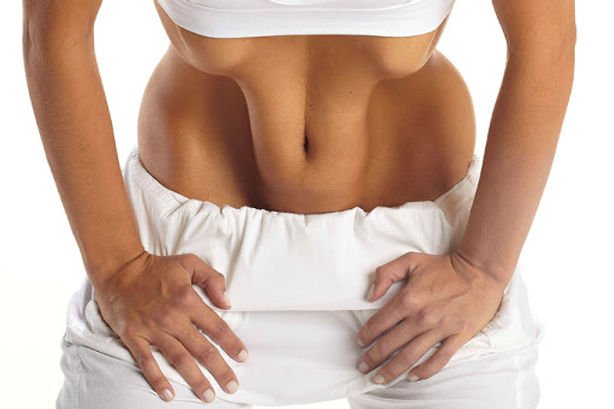
This is one of the very important Shat-kriya in cleansing the vital organs as a whole. Here the technique is to massage the whole abdomen and stomach by contracting and rolling the abdominal muscles, especially the rectus abdominalis muscle. The types here are madhyam nauli- it is the technique of contraction and isolation of the rectus abdominalis muscle at the centre of the abdomen.
Vama Nauli- contraction and isolation of the rectus abdominalis muscle at the left side of the abdomen and dakshina Nauli is the technique of contraction and isolation of the rectus abdominalis muscle at the right side. We also have Nauli chalana which means the rolling of the muscles is practiced in clockwise and anti-clockwise directions. This technique helps in removing the digestive ailments. Reduces constipation, obesity; increase in apetite. This also increases the circulation in spleen and liver. This is not to be practiced in high blood pressure patients, active ulcers or hernia.
VASTI

This implies to cleaning of the rectum by sucking water through the anus. The word vasti is a general term for the lower abdomen, belly, pelvis and bladder. This should be done in empty stomach during early morning. The types are jala vasti- a rubber tube is inserted and water is removed and clean water is expelled into the tube. Sthal vasti- means sucking air into the bowels, holding it for some time and expel it through the anus. Shat-kriya Both these types should be practiced in ashwini mudra. This technique helps in curing stomach ailments and constipation. increases apetite. Body becomes light and active, helps to cool down the excess of heat from the body.
Read More: Preparation, benefits and precaution of pranayama practices
Kriya: The Foundation of Yogic Purification and Vitality

One who practices all these Shat-kriya will be light, free of distractions, focused, shining bright and enthusiastic in his life. These are the cleansing processes which helps the practitioner to keep his physical body cleansed and free from any diseases which help him to maintain the serene atmosphere within himself mentally and spiritually through which he can stay on the path towards the ultimate goal.