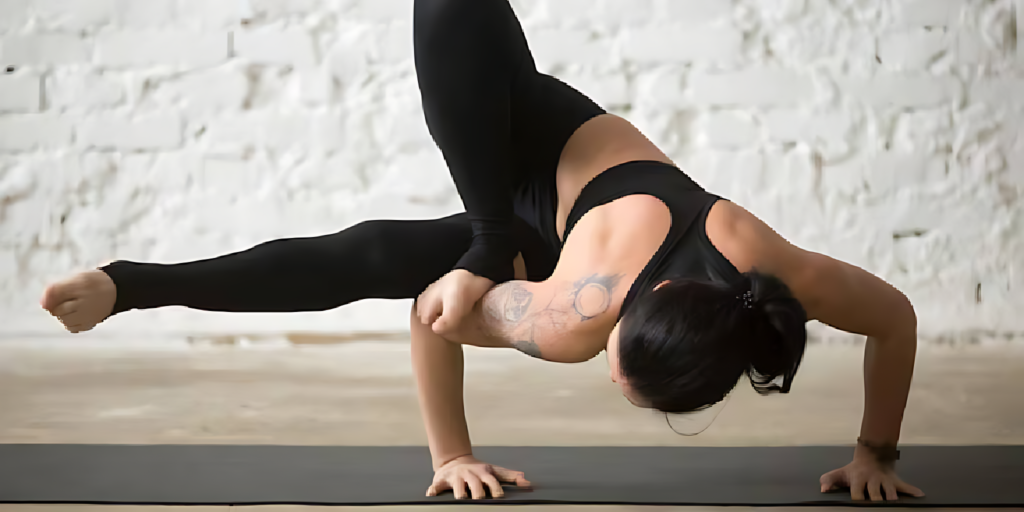

Maintain good health for future enjoyment
Work for both money and good health
Workaholics v/s Health- Which is to be noted?
A Yogic paln for a Workoholic person- Try It!
Is your WorkLife balanced?
Life at work. Life in work. Life is full of work.

Are you one of those who fall under this category of people, ‘work work and work!’ No time for eating, drinking, and even moving. Only, eyes, fingers and mind are completely in the laptop screen. Thus, the clear result is getting affected by various diseases and end up getting caught in some medical routine advised by the doctor. What about work life balance? You know what these people in a society named as WORKAHOLIC.
Workaholic: A person who is compulsive in working day and night for long hours.
As a seasoned workaholic, we know that it takes on your body to consume your valuable time and hunger when it comes to prioritizing your work. We know you ignore your bodily pains and needs to meet your deadlines and make money. But have you ever thought, how can only making money, day in and out will keep you happy? If your body not supporting that happiness then where will you land? If your health is hampered with an overburden of work, then where will you spend that money in? Over doctor fees and medicine bill??? Is this why you are working hard!
Well, let us be clear, we are not here to share ideas on workaholic people. We are here to open your eyes to take care of your body. Yoga and health is an important topic which derives from here.
‘Work Is life’ take care of yourself to take care of your life
Too much of work results in mental stress, hypertension, cardiovascular diseases. If you notice, these are growing at an alarming speed. Change of lifestyle is accompanied by globalization and modernization. Although, taking care of your body meaning taking care of your mental, physical and psychological health. Yoga offers a reminder to these. Yoga origination is in the land of India thousands of years ago, it explored in the western world with its therapeutic measures. In recent times it is scientifically stated that the subject of research as a therapeutic measure in mental stress, obesity, diabetes, hypertension, dyslipidemia, coronary heart disease and chronic disease.
Stress, anxiety and depression: Are your affected by these?

Too much of work and not taking care of your body is a sure result of these three epidemic diseases which is affecting masses across the globe. Yoga is one of the best and effective in prevention, as well as management of stress and stress, reduced disorders. A methodological routine is what will benefit you. However, encouraging results have significantly inspired people, which urged commoners to take up the daily practice of Yoga and health care.
Did you know? A significant study on the people suffering from depression, anger, anxiety, and neurotic symptoms was dependent on anti-depressant medication. Once they started practicing yoga, no requirement of medicine was required and the potential yoga practices offered long-lasting positive effects.
Effective practice of yoga not only will build-up tolerance power but also significantly have reduced any bodily dysfunction. Sitting and working for a longer period of time have effectively given birth to the overweight and obesity in the respective individuals. Training of yoga asanas and pranayama for three consecutive months will surely protect you rather offer you a perfect body without any side effects.
Yoga is for Health

Work is a priority for the majority of us. It gives us money, satisfaction and food to live, and protects our future. But if it is affecting our today’s health then our tomorrows are hard to come. If we start working out from now on then the future will be surely secured.
Yoga as a practice connects our body, mind, breath and soul. Significant physical postures, breathing processes, exercises and meditation will improve your overall health. Some benefits of yoga include;
∙ Lower your blood pressure and heart rate
∙ Help you relax
∙ Improve your self-confidence
∙ Reduce stress
∙ Improve your coordination
∙ Improve your concentration
∙ Help you sleep better
∙ Aid with digestion
Follow certainly styles of Yoga
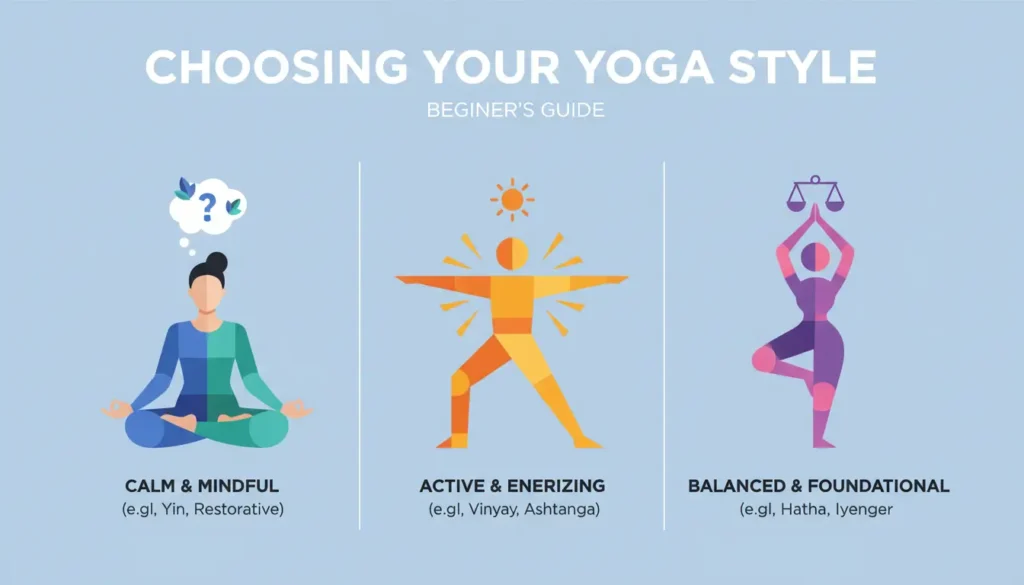
There are numerous types of yoga and food which will help you to grow yourself to become better and make sure that your health is not hampered.
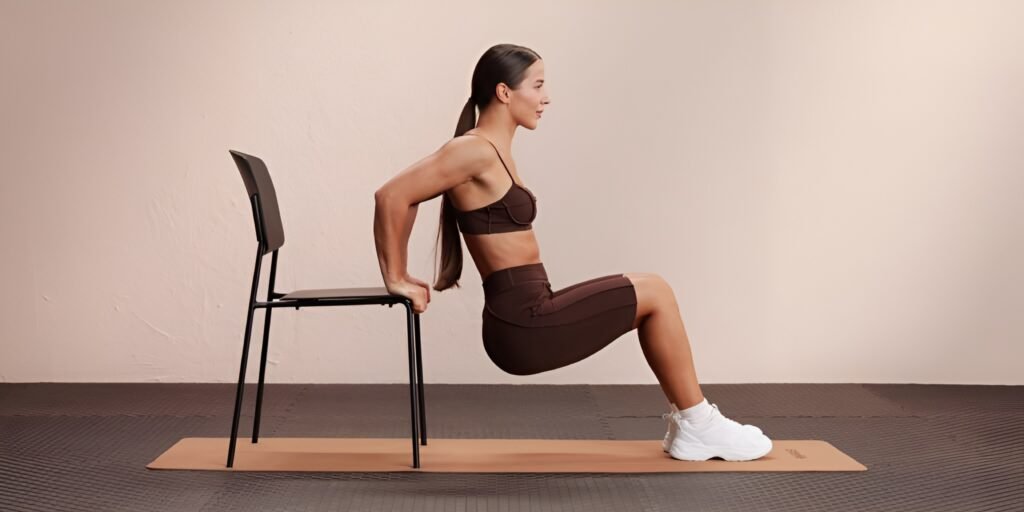
It is advisable that you practise chair yoga even if you are working. Chair yoga is a form of yoga therapy. A chair Yoga is an important accessory to practice yoga chair. It is for your practice that chair Yoga will focus on the chair that you will be using at home and are opposed to chairs found in the office for a quick yoga practice.
Even you can get into the practice of Hatha Yoga, Astanga Yoga, Vinyasa Yoga, Yin Yoga and many more for a perfect yoga body and mindfulness.
You can look into the basic ways of meditation and Pranayam which you can practice at home.
Pranayama process;

∙ Breath in deeply through your nostrils
∙ Breath out quickly through your nostrils, feel the collar bones dropping, chest deflating and abdomen shrinking.
∙ Repeat the process, if correctly done, your chest will expand, when you will breathe in and when you breathe out. Continue doing it for 5 minutes.
Kapalbhati Pranayam, shining forehead breath

∙ Inhale through your nostrils normally until your lungs are full, don’t force yourself.
∙ Exhale through nose forcefully (forced exhalation means the contraction of your stomach helps in pushing the sir out of your body)
∙ Repeat the process for 15times
Anulom Vilom Pranayam: alternate nostril breath

∙ Close your eyes and focus
∙ Close your right nostril with a right thumb
∙ Inhale slowly through the left nostril fill the lungs with air.
∙ Remove your thumb from your right nostril
∙ Use your ring and middle finger to close your left nostril
∙ Exhale slowly and completely with your right nostril
∙ Inhale through the right nostril
∙ Close the right nostril and open the left
∙ Breath out slowly through the left nostril
∙ Continue for 15 minutes
Basics of meditation to practise in free hours.
The meditation exercises are an excellent way of communicating techniques;
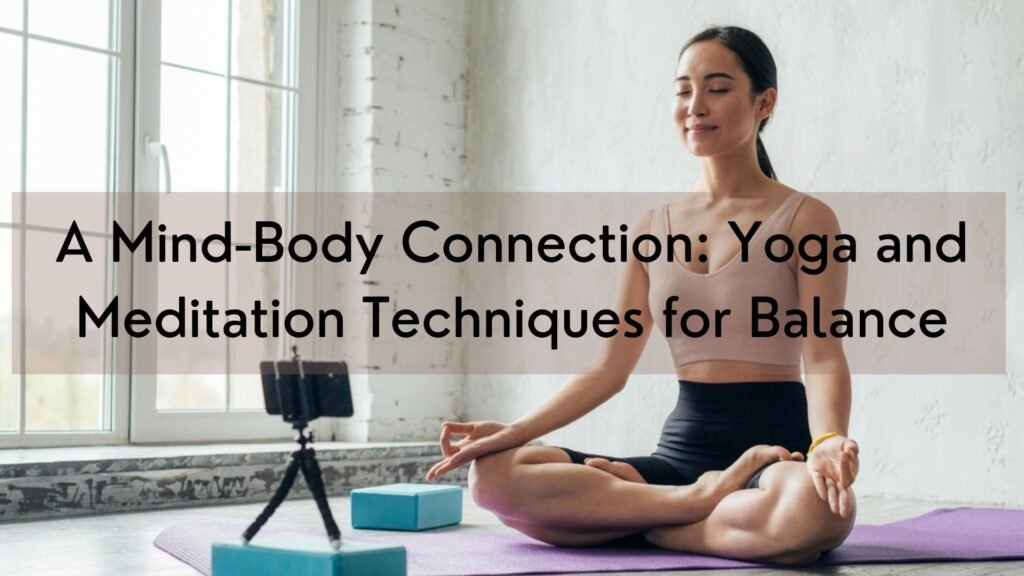
∙ Sit or lie comfortably. You may even want to invest in a meditation chair or cushion.
∙ Close your eyes. We recommend using one of our Cooling Eye Masks or Restorative Eye Pillows if lying down.
∙ Make no effort to control the breath; simply breathe naturally.
∙ Focus your attention on the breath and on how the body moves with each inhalation and exhalation. Notice the movement of your body as you breathe. Observe your chest, shoulders, rib cage, and belly.
∙ Simply focus your attention on your breath without controlling its pace or intensity. If your mind wanders, return your focus to your breath.
Maintain this meditation practice for two to three minutes to start, and then try it for longer periods.
How to get started ?
Looking for the yoga classes at your local gym, health centre or yoga studio is what immediately you can do. If you are new to yoga, you can start with a beginners class. Talking to the philosophers before the class regarding anything that is bothering you will declutter your mind. You may wish to ask about the instructors’ who are training and experience. However, the majority of the instructions given for formal training is not based on certified yoga training.
Follow a few guidelines when designing a diet to match your yogi lifestyle:
If you wish to maintain a healthy living it is better you follow a routine. To make an entire process of choosing the right kinds of food for your body, you can practise yoga. the ancient yogis have divided the food routine in the following ways, which includes;
Sattvic Foods: It is derived from the Sanskrit word Sattva, which means purity. Fruits.dairy products, nuts, seeds, whole grains, and even honey.
Rajasic Foods: In this category, the used of 56 food items at one given time. Foods that taste bitter, spicy, or salty, dry or hot comes under this category. It includes s foods, sweets, beverages and heavy full of fat food.
Tamasic Foods: Majority of the non-vegetarian foods are considered tamasic. It includes the salt and chillies in this category.
∙ Choose foods that are light and easily digested
∙ Eat a majority of your foods lightly cooked or raw
∙ Go for stable cooking oils and fats, such as coconut oil or clarified butter (ghee)
∙ Be conscious of the ingredients you're putting into your body
∙ Stop eating when you feel satisfied, but not stuffed
A Typical Day
Every yogi diet is different in constitution and belief, so no one diet works for everyone. However, foods to include that maximize your energy, facilitate healthy digestion and provide optimal nutrition are:
∙ Fresh leafy greens: spinach, kale, watercress, chard
∙ Fresh vegetables: zucchini, broccoli, tomatoes, green beans
∙ Fresh fruit: berries, apples, citrus, melon
∙ Plain nuts: almonds, walnuts, macadamias
∙ Vegan protein: tofu, tempeh, seitan
∙ Vegetarian protein: eggs, dairy
∙ Whole grains: brown rice, barley, quinoa
∙ Healthy fats: coconut oil, avocado, flaxseed oil
If you do choose to include meat and poultry, select humanely raised options.
Some adviseable tips pre and post-meal
Pre-Yoga Meal Tips
∙ Before starting your practice, ensure that you are well-hydrated.
∙ Do this 30- minutes before you start your yoga practice.
∙ You can also have green tea or a homemade fruit juice throughout the day if you are looking for some flavour.
∙ Avoid taking caffeine right before a yoga class or practice.
∙ The body requires some time to digest food.
∙ Avoid any type of spicy foods
Post-Yoga Meal Tips
∙ Once your yoga class is over, it is natural to feel the hungry. However, that does not give you the liberty to eat at
∙ After a healthy workout, drink a lot of water to keep your body hydrated.
∙ You can eat snacks like an apple first and when you reach home, treat yourself to a warm bowl of homemade vegetable soup. Again, avoid using spices to your soup.
The gist of all these tips is that you should avoid any Tamasic or Rajasic foods before and after yoga practice. It is best to stop eating meat altogether, however, if you cannot then try taking it in minimal amount without any spice.
Read More: OM – A Sacred and Honorable Sadhna.
You can always add fish to your diet as it is high in omega-3 fats which is a good supplement for the body. But remember your meat or fish should never be deep-fried.
Work in definitely important in life, but depending our days based on work will never help. We need to develop ourselves to be more strong and healthier. Share your perspectives as well.